Service providers & valuers
Run the same repeatable process every cycle, on the regulator's timetable, from one structured Swiss dataset rather than a fresh round of data collection each time.
What changes when the collection step is gone
One baseline, every cycle
Building-level intelligence, fund analytics and methodology-backed research arrive as one structured Swiss dataset across 140+ REIVs, so reconciliation, NAV support, valuation and audit each start from the same inputs instead of a fresh collection round.
Monthly close in days
Books-and-records reconciliation, the bottleneck of the reporting cycle, runs against pre-reconciled data, turning the monthly close for open-ended vehicles from weeks into days.
Audit-ready on the regulator's calendar
The same definitions and 400+ fields per asset feed administrator, valuer and owner, so AIFM reporting and audit packs land in FINMA, CISA or AMAS format on a fixed FINMA and CISA cadence.
Why Quanthome exists for service providers & valuers
Fund administrators, real estate valuers, AIFMs and auditors share the same shape of work: repeatable processes on the regulator's calendar. Books and records reconciliation is the bottleneck of the reporting cycle. NAV calculations run every quarter, monthly for open-ended vehicles. Valuation work is half data collection, and the collection repeats for every deal. Audit cycles trigger weeks of friction with administrators, valuers and owners. AIFM reporting carries a constant FINMA and CISA cadence.
Quanthome removes the collection step. Building-level intelligence, fund and vehicle analytics and methodology-backed research arrive as one structured baseline in a stable format, so each cycle begins from the same starting point instead of a collection scramble. The same definitions apply across reconciliation, valuation and audit, and the inputs each function consumes are produced once, not rebuilt by hand for each counterparty.
Four kinds of firm sit inside this segment, and Quanthome serves each from the same dataset. Fund administrators, where monthly close turns from weeks into days. Real estate valuers, where data collection stops being half the job. AIFMs, where risk dashboards land on the board's timetable. Auditors, where standardized inputs across administrator, valuer and owner shorten the audit cycle.
How service providers & valuers use Quanthome
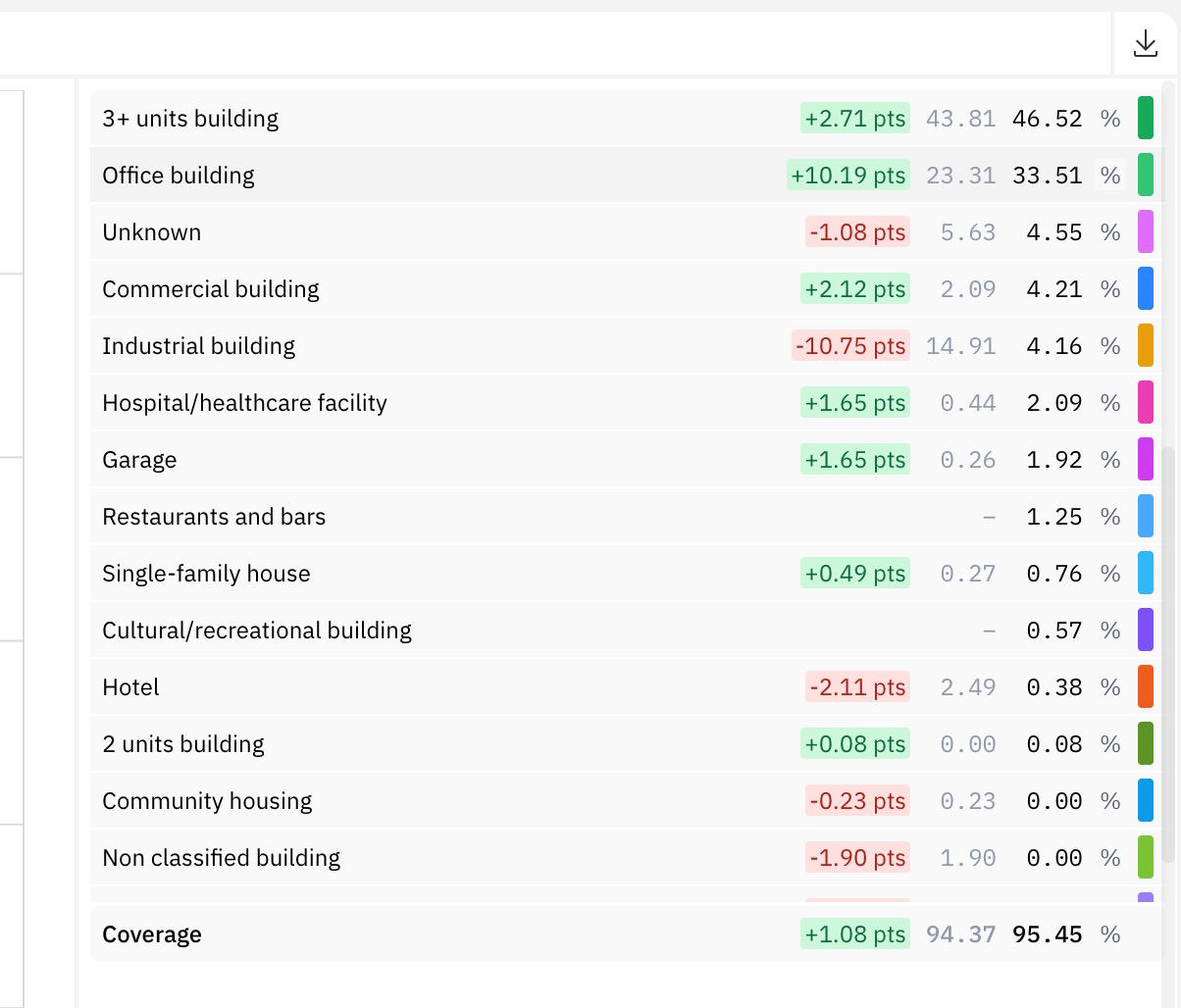
Reconcile internal books against administrator statements, valuations and bank data in one structured base, every variance flagged with its source, so errors surface before the audit and each cycle is a refresh, not a rebuild.
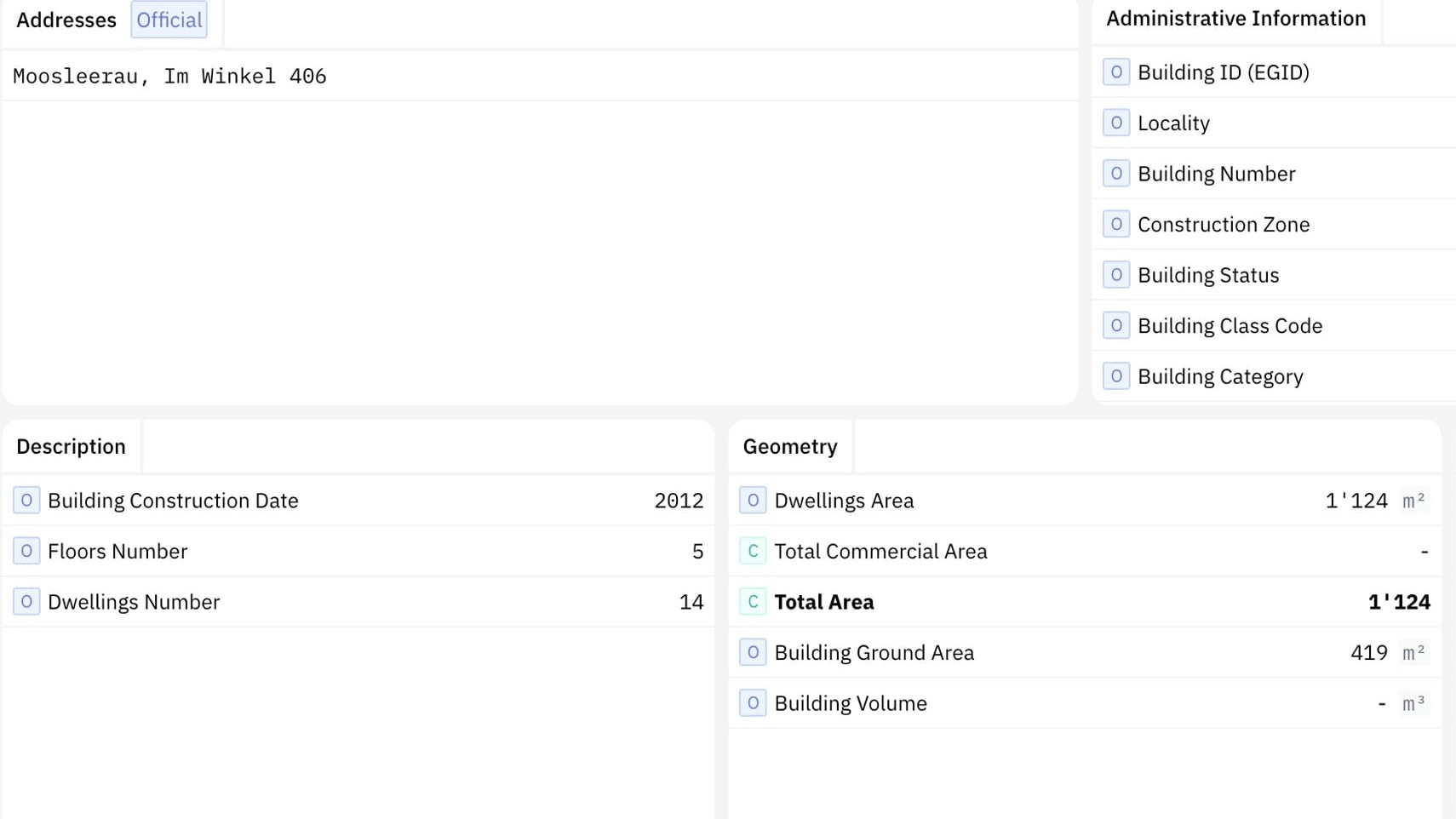
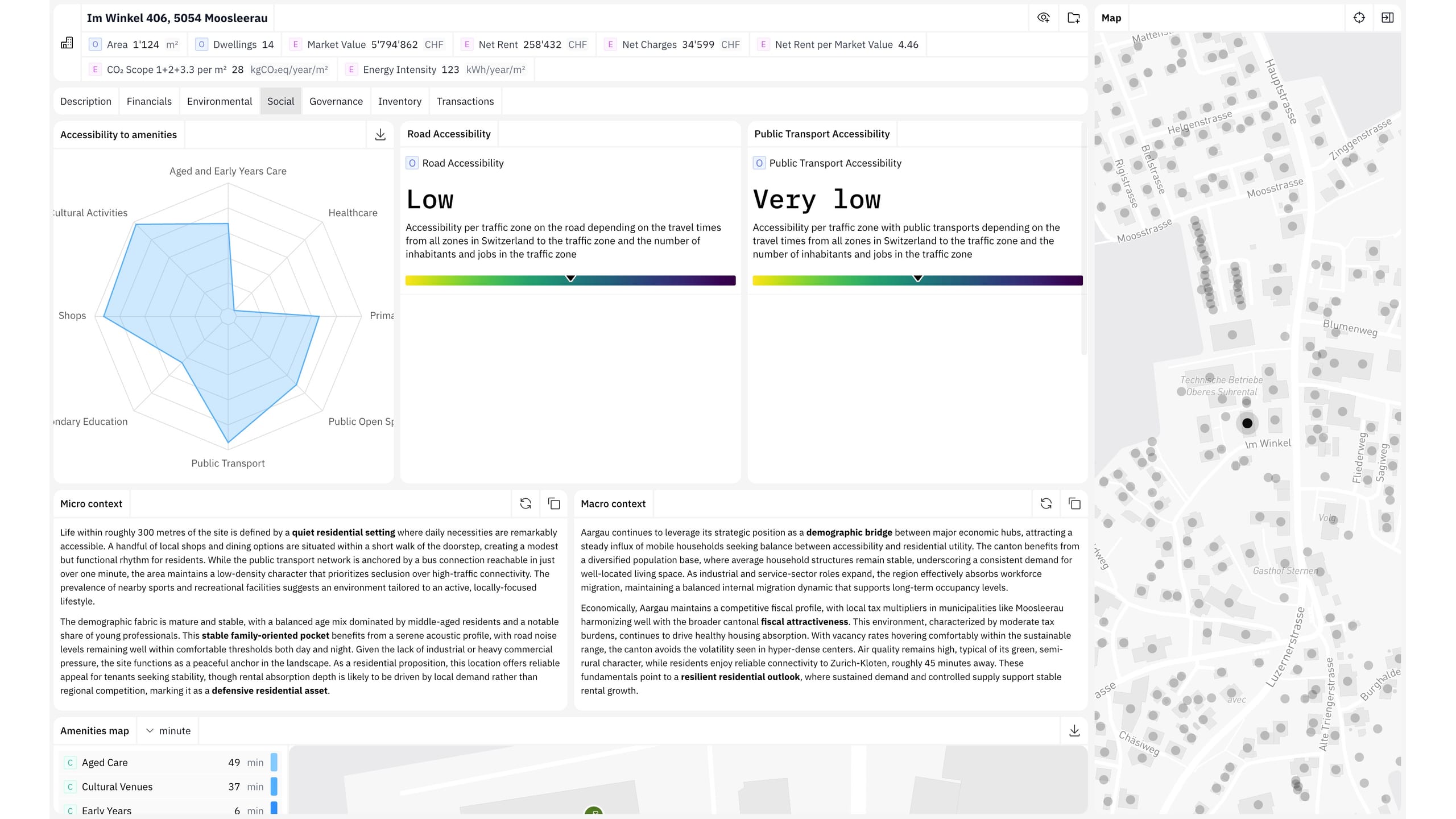
Explore use caseAssemble the full due diligence for any building from one structured base (every field gathered, benchmarked against local comparables, and read in its micro and macro situation), so valuers and transaction managers spend less time on the fastidious work, analyze more deals and miss less.
Explore use caseQuanthome AI loads the data room, answers questions with sources cited, and exports audit-ready reports with the references included.
Explore use caseAutomate factsheet, annual report and ESG reporting on one structured base, every figure citing its source, so a mandatory process stops consuming your team's time.
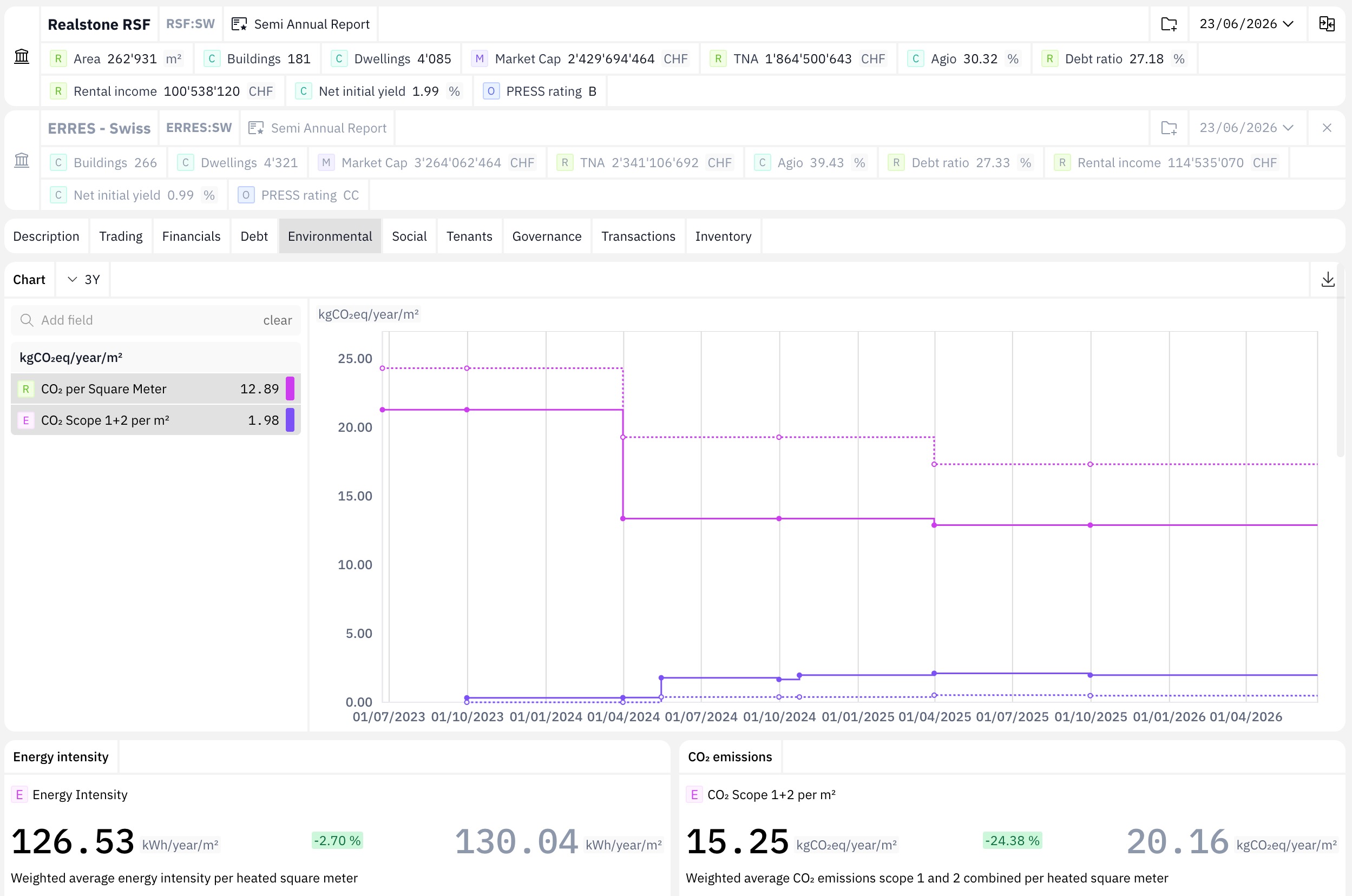
Explore use caseCompare any real estate investment vehicle against named indices or a custom peer set across financials, ESG, debt, tenants and asset allocation, and save the peer set so the next review is a refresh, not a rebuild.
Explore use caseThe products service providers & valuers use
Quanthome Workforce is the core fit: our engineers and agents structure scattered inputs on the Quanthome Data Engine into one reconciled, source-linked view for reconciliation, NAV support, valuation and audit, and turn it into the finished deliverables each function and each regulator expects, from factsheets and NAV packs to AIFM reporting in the right template. Quanthome Data adds the analyst workbench, peer screens, look-through and building-level context, for the teams that need to test or benchmark the inputs they consume.
Quanthome Workforce
Grow the portfolio, not the back office.
Quanthome Data
See what others can't. Decide before others do.
Quanthome AI
Quanthome AI writes the analysis, you make the decision.
Trusted by real estate teams


























Reconciliation, valuation and audit inputs from one Swiss dataset
Standardized inputs for repeatable, regulator-paced processes, on one structured Swiss dataset.
- CHF 5T+Asset value of buildings indexed
- CHF 250B+NAV across funds and vehicles
- 400+Data fields per asset
Questions we hear most
Is the client data we feed in used to train your models?
No. Neither we nor our AI providers train on your data, and it is used only to deliver your service. Your data is stored and encrypted in Switzerland.
Can the outputs match each regulator's and each fund's format?
Yes. Quanthome Data Engine structures and reconciles the inputs, and Quanthome Workforce produces the audit-ready output in the format each function and each fund expects, whether that is FINMA (the Swiss financial-market regulator), CISA (the Swiss collective-investment act), AMAS or an internal house template.
How current is the data behind reconciliation and valuation?
Building and vehicle data refreshes as filings, disclosures and transactions are published, so each cycle starts from current inputs rather than a stale snapshot.
Can we benchmark or stress-test the inputs against the wider market?
Yes. The same dataset powers the analyst workbench, so you can run peer screens, look-through and valuation comparables against CHF 5T+ in indexed asset value spanning every Swiss canton, and confirm an input before it lands in a NAV pack, valuation or audit file.
Book a working session with our team
Tell us which cycle you run, reconciliation, valuation, AIFM reporting or audit, and we will show you where Quanthome removes the manual step.
Book a working session